الکامپ

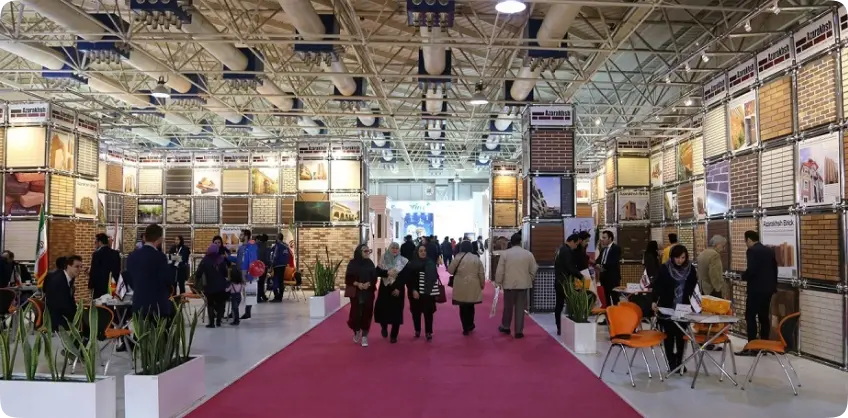
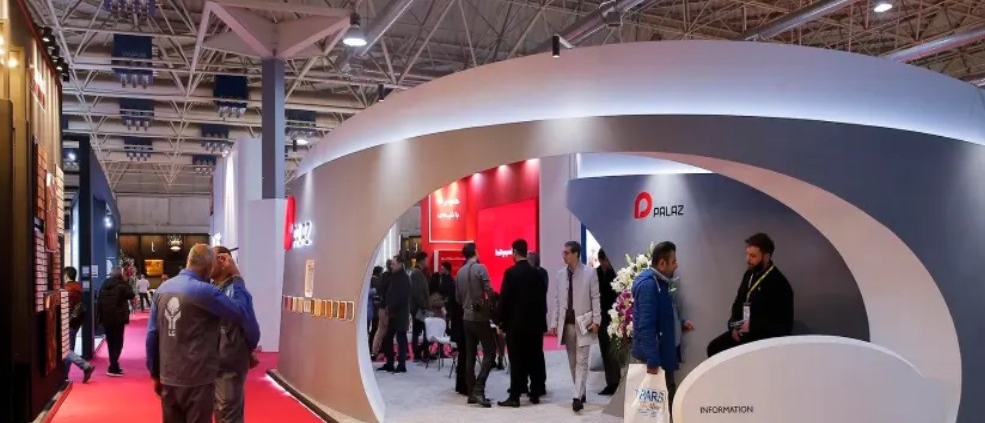
بیست‌ونهمین نمایشگاه بین‌المللی الکامپ در هفته دوم شهریورماه برگزار خواهد شد؛ رویدادی که به‌عنوان بزرگ‌ترین گردهمایی سالانه صنعت فناوری اطلاعات و ارتباطات کشور، نقش محوری این حوزه در توسعه ملی را برجسته می‌کند.

بر اساس اعلام روابط عمومی این رویداد، پیش‌ثبت‌نام الکامپ ۲۹ از ۱۶ خردادماه آغاز شده و شرکت‌ها، سازمان‌ها و فعالان حوزه‌های فناوری اطلاعات، ارتباطات، اقتصاد دیجیتال، امنیت سایبری، هوش مصنوعی، نرم‌افزار، سخت‌افزار، خدمات دیجیتال و استارتاپ‌ها می‌توانند برای حضور در این نمایشگاه اقدام کنند.

الکامپ ۲۹ با حضور گسترده شرکت‌های خصوصی، مجموعه‌های دولتی، نخبگان و متخصصان، بار دیگر ظرفیت‌های داخلی و توان ملی اکوسیستم فناوری ایران را به نمایش خواهد گذاشت. این رویداد با هدف ارائه دستاوردهای نوآورانه، معرفی محصولات و خدمات جدید و تقویت همکاری‌های فناورانه میان بخش‌های مختلف کشور برگزار می‌شود.

در شرایطی که فناوری به یکی از اصلی‌ترین ابزارهای توسعه کشورها تبدیل شده، الکامپ ۲۹ نمادی از اراده جمعی صنعت فناوری ایران برای مشارکت در ساخت آینده‌ای پایدار، هوشمند و مبتنی بر نوآوری است.

 ELECOMP 29 

The 29th International ELECOMP Exhibition is set to take place in the second week of Shahrivar, reaffirming its position as Iran’s largest annual gathering for the ICT and digital technology sector. Despite the sensitive regional climate and ongoing threats, Iran’s technology industry continues to demonstrate its resilience and readiness to contribute to national development and reconstruction.

According to the event’s Public Relations Office, pre‑registration for ELECOMP 29 began on 16 Khordad, enabling companies, organizations, and professionals across information technology, communications, digital economy, cybersecurity, artificial intelligence, software, hardware, digital services, and startups to secure their participation.

ELECOMP 29 will once again host a wide spectrum of private companies, government organizations, experts, and innovators showcasing the nation’s internal capabilities, technological strength, and collective confidence. The exhibition aims to highlight cutting‑edge achievements, introduce new products and services, and strengthen cooperation across the country’s technology ecosystem.

At a time when technology has become a central driver of national development, ELECOMP 29 stands as a symbol of the collective determination of Iran’s tech community to build a smarter, more sustainable, and innovation‑driven future.
In Praise of Sand, Ecru and Bone

By eleven o’clock the terrace has gone the colour of weak tea, and everything pale on it seems to lean toward the sun. A bone-coloured sleeve. The chalk of a wall. The light does not so much fall on these things as settle into them, the way warmth settles into stone. You notice, after a while, that the palest things in a room are rarely the quietest. They are simply the most patient.

The Colour of Almost Nothing

Sand, ecru, bone. Said aloud they sound less like colours than like things found on a long walk — and perhaps that is the point. These are the neutrals that refuse to announce themselves. Ecru is what white becomes when it relaxes; bone is the warmth left in a shell after the sea has gone; sand is every shade of afternoon at once. None of them competes with a face, a horizon, or a good meal. They are the considered choice of someone who has decided that the clothes need not do the talking.

There is a discipline in this that masquerades as ease. To wear almost nothing — colour-wise — is to trust the cut, the cloth, the way a linen trouser breaks at the ankle. The Sand Edit sensibility is built on exactly that trust: fewer decisions in the morning, more attention to how a thing is actually made.

How Pale Things Age

The great secret of these tones is that they improve with time. A bone camp shirt softens at the collar and looks better for it. Ecru linen, washed and worn and dried in real air, arrives somewhere gentler than where it began — the creases reading less as wrinkles than as a record of being lived in. Stronger colours fade and feel diminished; the palest ones simply mellow, the way a wall or a worn step does. They were never trying to be new, so they cannot be made to look old.

The palest things keep no secrets and tell no lies; they only hold the light a little longer than everything else.

Quietly, With Everything

Then there is the matter of getting dressed. A drawer of sand and ecru and bone is a drawer that has already agreed with itself. Nothing clashes when nothing insists. A ribbed tank under a linen skirt, a knit thrown over the shoulders for the cooler end of the evening — the pieces fall into conversation without being asked. This is the off-duty logic of a coastal capsule: a small, warm-toned company of things that travel together, layer together, and ask very little of you in return.

Choose the palest neutrals and you are, in a sense, choosing the background — letting the day and the people in it carry the colour. There is a generosity in that. As the light goes long and gold over the terrace and someone calls everyone in to dinner, the bone and the sand and the ecru simply hold the last of it, and let the evening do the rest.

The Case for Fewer, Better Tees

There is a particular morning shape to a good tee. It is the thing you reach for before the coffee has fully done its work, before you have decided what kind of day it will be. You pull it on without thinking, and that is rather the point — the best ones never ask to be considered. They simply sit right, soften with washing, and go on quietly being there.

The Drawer Tells the Truth

Most of us own too many tees and wear three of them. The rest live folded, untouched, the cotton already gone thin and papery after a season, the neckline slack and curling. They were never meant to last; they were meant to be replaced. And so we keep replacing them, and the drawer fills with near-misses.

The alternative is less romantic than it sounds and more satisfying than it has any right to be. A handful of tees, chosen properly, worn often, washed gently, kept for years. Fewer decisions in the morning. More room in the drawer. A sense, faint but real, of having stopped feeding something that was never giving anything back.

What to Look For

Start with weight. A tee that feels almost weightless on the hanger will feel like nothing on you in the worst way — translucent, clingy, finished by autumn. A medium-weight cotton, something with a little body to it, drapes instead of clings and holds its shape through a long day. You can feel the difference the moment you lift it.

Then the neckline, which is where cheap tees fail first. Look for a collar that is ribbed and snug, stitched to return to itself after it stretches. A good crew sits flat against the collarbone; a good neckline, a year on, still does. This is the detail that separates a tee you keep from a tee you quietly retire.

And consider how it will age, because it will. Honest cotton softens rather than dissolves. It takes on the faint character of the body that wears it and the wash it goes through, fading by degrees into something better than new. That slow settling-in is not wear and tear. It is the garment becoming yours.

A good tee is the most-worn thing you own and the least-noticed. That is exactly its job.

The Foundation Under Everything

This is the layer beneath the linen trousers and the camp shirt, the thing the coastal capsule quietly rests on. Off duty, it is the whole outfit. On the days that ask a little more, it is the calm beginning everything else is built over. Either way it does its work without comment, which is the highest thing a plain garment can do.

Buy fewer of them, then. Buy the ones that feel like something in the hand. Wear them until they have learned your shape, and they will keep on being the easiest decision of the morning — long after you have forgotten you made it.

The honest cost of unintentional design

The pitch sounds reasonable. A founder needs a brand. A designer on Upwork can produce something serviceable for under five thousand dollars. The logo lands within a week. The team moves on. The “branding problem” is solved.

It almost never is.

What you actually paid for

Cheap brand work isn’t bad work. It’s bounded work. The deliverable is a logo file. Maybe a pair of brand colors and a typeface. What it cannot deliver — what no fixed-price three-day engagement can deliver — is a position. A point of view. A reason your brand should exist alongside the seventeen other companies competing for the same buyer.

That gap shows up in everything downstream. Every landing page now requires a writer to invent a voice. Every investor deck has a tonal personality of its own. Every piece of content reads like it came from a different company, because it did. Each downstream asset bears the cost of the missing decision.

The compounding bill

The first time we sat with a client to redo a brand they’d shipped twelve months earlier, we asked what the original engagement had cost. Three thousand. The redo? Forty-six thousand, plus eight months of marketing output that had to be entirely retrofitted to the new identity, plus a Series A that the partners later told them they almost didn’t lead because the brand “felt off.”

The cheap brand wasn’t three thousand dollars. It was three thousand plus forty-six thousand plus eight months plus a Series A scare. Cheap wasn’t cheap.

What “expensive” buys

What you’re buying when you pay for thoughtful brand work is not a logo. It’s the discovery that goes into the logo. The interrogation of what the company is for. The synthesis of competitor positioning. The rigorous decision about what tone of voice you can live with for the next decade. The logo is the artifact of that thinking. Without the thinking, the artifact is a placeholder you’ll replace.

If you can afford to replace it, replace it. If you can’t — if the position you’re building requires brand consistency over the next ten quarters — pay for the work that makes consistency possible.