


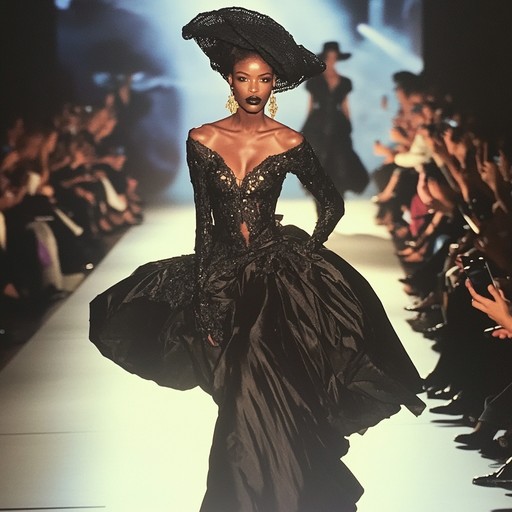
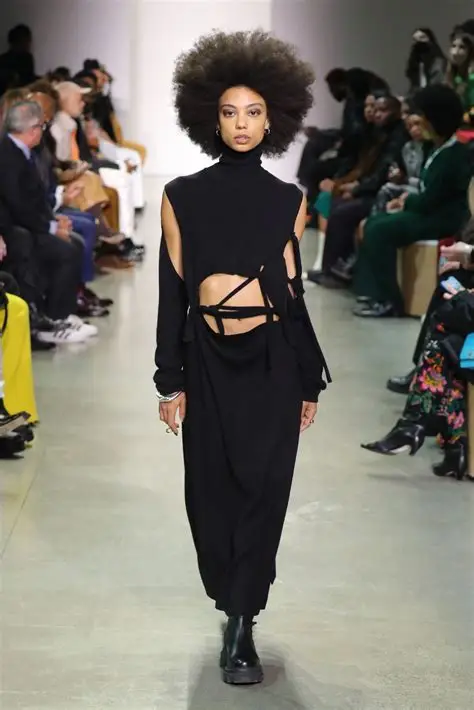
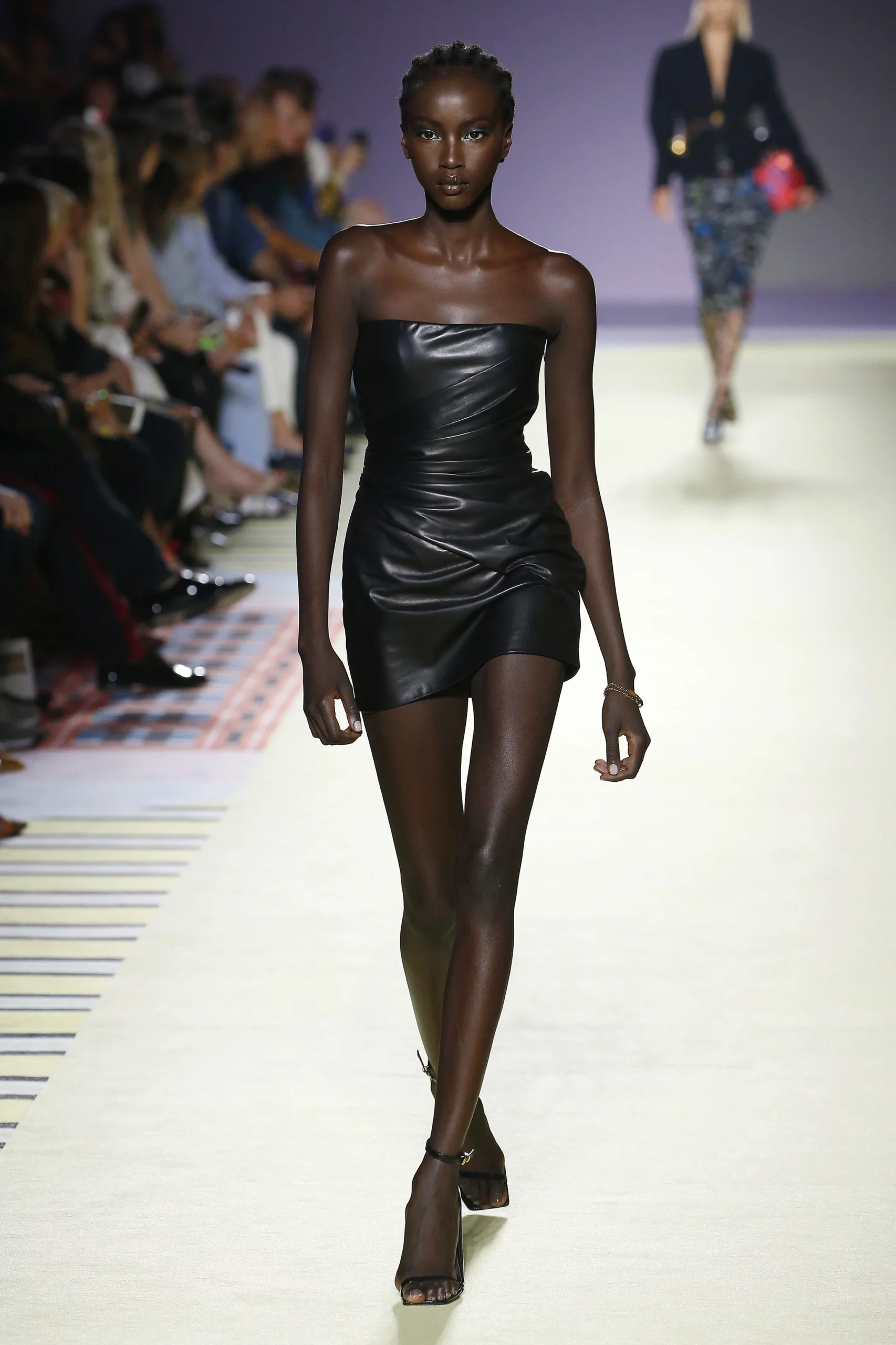
London Fashion Film Festival is dedicated to celebrating the combined arts of film and fashion in one of the most important centres of fashion in the world, London. The Festival provides the opportunity to take a look at the subject in a variety of ways from documentaries, films about fashion, fashion shorts and films which have been influenced by fashion as well as films that have had an impact on the fashion industry itself.
Rules & Terms
London Fashion Film Festival is hereby granted the right to utilize an excerpt from any film submitted for promotional purposes. The individual or corporation submitting the film hereby warrants that it is authorised to commit the film for screening, and understands and accepts these requirements and regulations. The undersigned shall indemnify and hold harmless London Fashion Film Festival from and against any and all claims, liabilities, losses, damages, and expenses (including but not limited to attorney’s fees, and costs of the court) which may be incurred by reason of any claim involving copyright, trademark, credits, publicity, screening, and loss of or damage to the screening videos entered. the admission fees are non-refundable. The English subtitles is required for non English films. Review
Quality
Value
Communication
Hospitality
Networking
Dates & Deadlines
- November 4, 2025Opening Date
- February 15, 2026Earlybird Deadline
- April 15, 2026Regular Deadline
- June 15, 2026Late Deadline
- August 15, 2026Extended Deadline
- September 1, 2026Notification Date
- September 22 – 23, 2026Event Date
Categories & Fees
- Fashion Short
- Music video
- Fashion Documentary
- Student
- Major Brands
- Emerging Talent

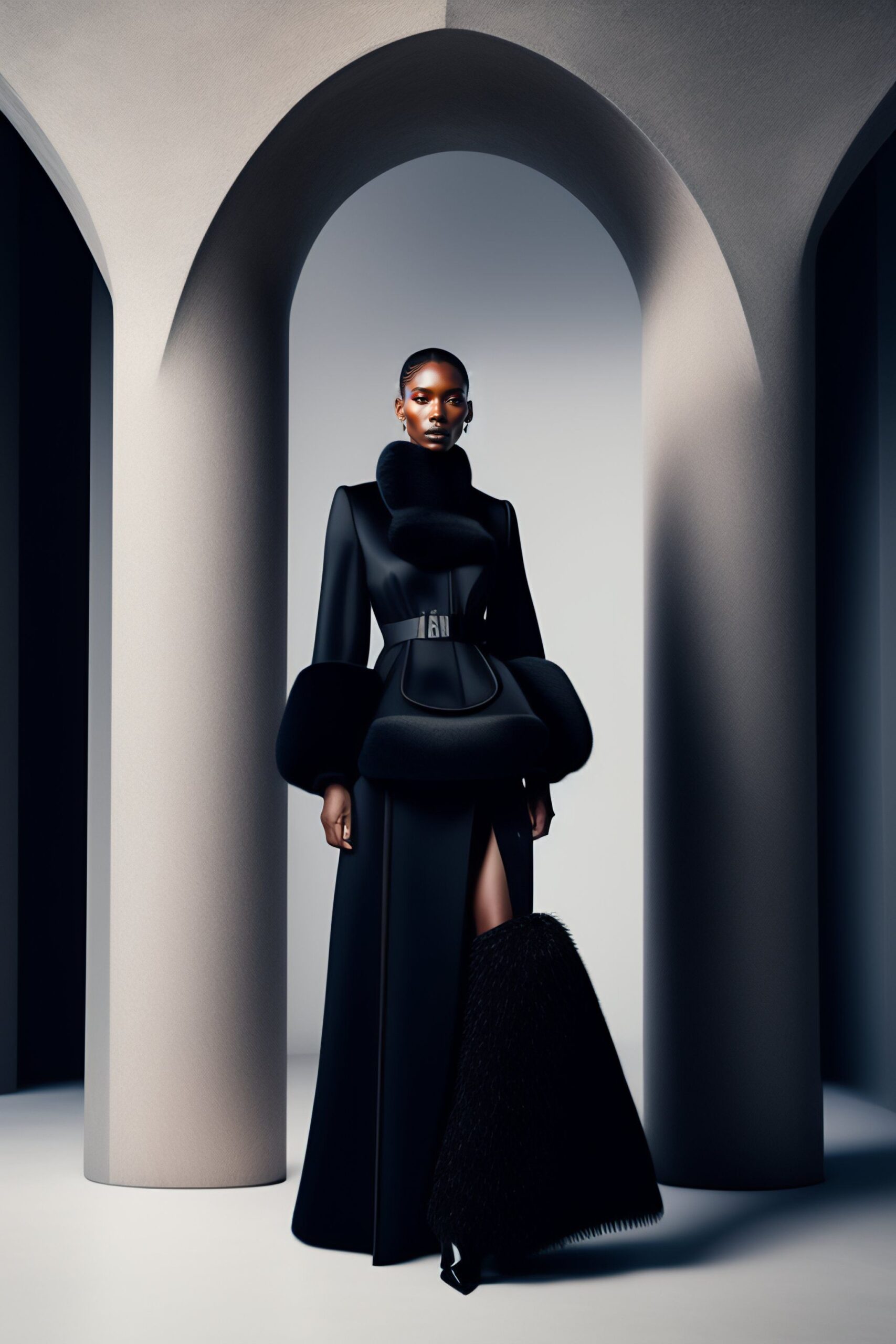
Architecting Human Identity Through Form, Light, and Material
In the abamode universe, makeup and costume design are not decorative layers
they are structural components of world‑building. Just as abastudio shapes space, light, and movement, abamode shapes the human presence within that space. Every face, every garment, every texture becomes part of a unified visual architecture.
abamode treats the human body as a designed environment, and makeup and costume function as its spatial extensions. Together, they create a coherent identity system that defines character, emotion, and narrative without relying on dialogue.
- The abamode Philosophy: Visual Identity as Architecture
abamode operates on a core belief: form communicates before language.
Makeup and costume design follow the same principles that guide the brand’s spatial and object design:
- Form as identity geometric clarity, intentional structure, controlled volume.
- Color as psychology palettes chosen for emotional and narrative impact.
- Texture as sensation materials that evoke physical and psychological response.
- Light as a design partner every surface is created with its light‑interaction in mind.
Makeup and costume are not separate departments; they are extensions of the same design logic.
- Makeup Design in abamode:
The Face as a Spatial Surface
In abamode, the face is treated like a micro‑architecture a surface that can be shaped, refined, or disrupted to express narrative.
Key Characteristics of abamode Makeup
- Minimal but intentional no unnecessary decoration; every mark has meaning.
- Architectural shading shadows used to sculpt, not beautify.
- Precision lines controlled geometry that echoes the brand’s spatial language.
- Subtle prosthetics structural modifications that feel natural yet designed.
- Hair as form hairstyles treated as volumetric elements, not accessories.
Narrative Function
Makeup in abamode builds characters for:
- fashion editorials
- conceptual video projects
- installation‑based performances
- experimental visual storytelling
Each face becomes a visual statement, aligned with the brand’s world.
- Costume Design in abamode:
The Body as a Constructed Volume
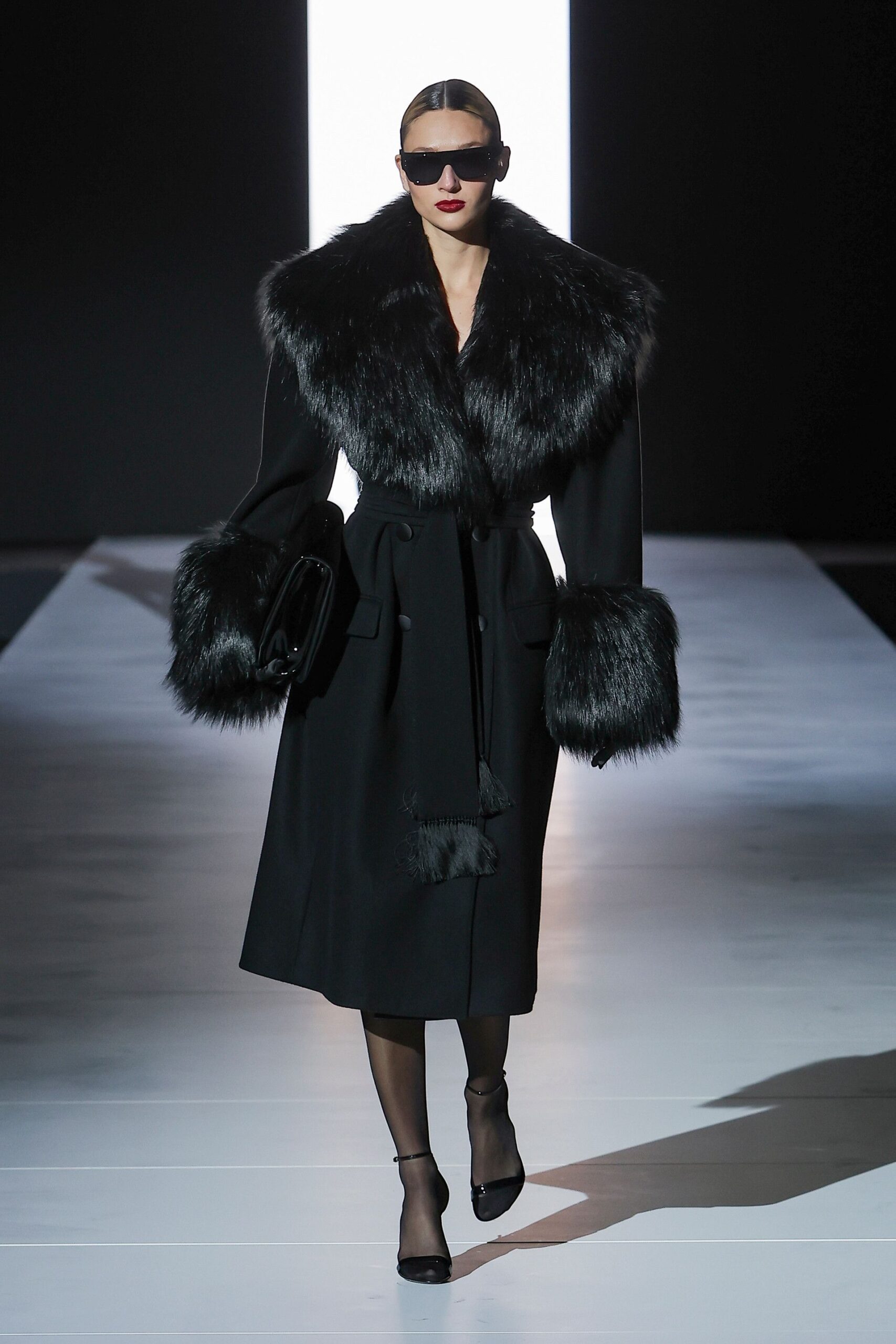
Costume design in abamode transforms the human body into a sculptural presence. Garments are not clothing they are architectural forms that redefine silhouette, movement, and emotional tone.
Key Characteristics of abamode Costume
- Architectural silhouettes sharp lines, controlled shapes, intentional proportions.
- Conceptual minimalism reduced elements with high narrative density.
- Material honesty raw yet luxurious textures that communicate authenticity.
- Meaningful details every stitch, fold, and closure serves a purpose.
- Monochrome or conceptual palettes colors chosen for psychological impact.
Applications
Costume design supports:
- fashion collections
- conceptual films
- artistic installations
- stage and performance environments
The result is a visual identity system that merges body, space, and narrative.
- Unified System:
The abamode Integration of Makeup & Costume
Makeup and costume in abamode are designed together as a single organism.
The harmony between face and garment is essential.
Core Integrations
- Skin tone ↔ garment color harmony or contrast based on narrative.
- Facial geometry ↔ silhouette geometry aligned structural language.
- Surface texture ↔ fabric texture shared tactile identity.
- Light behavior ↔ material behavior designed for the same illumination.
This integration ensures that the character feels coherent within the abamode world.
- The abamode Workflow:
From Concept to Execution
Step 1 -World Analysis
Understanding the spatial, emotional, and narrative environment.
Step 2 – Visual Identity Profile
- Moodboard
- Color palette
- Concept references
Step 3 -Design Development
Sketching makeup concepts, garment silhouettes, and material studies.
Step 4 – Prototyping & Testing
Makeup tests, costume fittings, and adjustments based on light and camera.
Step 5 – Final Execution
On‑set makeup application, costume dressing, and coordination with art direction.
This workflow ensures that every project maintains the signature abamode aesthetic.
- The Role of Makeup & Costume in the abamode Brand
abamode is not a fashion label it is a visual universe.
Makeup and costume design are essential pillars of this universe, shaping:
- character identity
- emotional atmosphere
- narrative direction
- brand signature
They complete the ecosystem that includes spatial design, object creation, installation art, and conceptual storytelling.

Global Style Encyclopedia
A comprehensive exploration of fashion, interior design, architecture, and lifestyle aesthetics — from historical traditions to contemporary trends.
Style is not limited to clothing. Every aesthetic represents a worldview visible in fashion, home design, architecture, furniture, colors, materials, music, art, and lifestyle.
Minimalism is not just simple clothing; the same philosophy appears in architecture, interior design, product design, and daily living.
1. Classic & Historical Styles
Styles rooted in European art, architecture, and ancient civilizations.
Classic
Philosophy: Order, proportion, symmetry, timelessness.
Neoclassical
A refined return to Greek and Roman principles.
Victorian
Decorative, ornate, historical.
2. Modern & Minimal
Modernism
Philosophy: Form follows function.
Minimalism
Philosophy: Less, but better.
Scandinavian
Warm minimalism with comfort.
Japandi
Japanese minimalism blended with Scandinavian warmth.
3. Nature-Inspired Styles
Wabi-Sabi
Beauty in imperfection and simplicity.
Biophilic Design
Bringing nature indoors.
Mediterranean
Warm coastal aesthetic.
4. Luxury & Aristocratic
Old Money
Heritage and quality over flashy wealth.
Quiet Luxury
Subtle, refined, logo-free luxury.
Modern Classic
Classic forms blended with modern simplicity.
5. Urban & Industrial
Industrial
Brick, concrete, metal, wood.
Loft
Open space, high ceilings.
Brutalism
Raw concrete, heavy forms.
6. Artistic & Free
Bohemian
Free, artistic, travel-inspired.
Eclectic
Mixing styles without strict rules.
Maximalism
More, but with personality.
7. Rural & Cottage
Farmhouse
Warm, functional rural homes.
Cottagecore
Romanticized slow rural life.
French Country
French elegance + rustic simplicity.
8. Dark & Alternative
Gothic
Dark, dramatic, historic.
Dark Academia
Inspired by literature and historic universities.
Light Academia
Brighter, softer version of Dark Academia.
9. Futuristic
High-Tech
Technology as part of the aesthetic.
Futuristic
Inspired by space and innovation.
Cyberpunk
Tech + dark urban mood.
10. Persian Styles
Persian Traditional
Rugs, kilims, ceramics, wood.
Iranian Islamic
Geometry, calligraphy, tilework.
Iranian Modern
Modern architecture + Persian heritage.
“True style is not just what we wear; it is the space we live in and the world we choose.”
صحنهپردازی: سیر تحول تاریخی، مبانی نظری و چشمانداز آینده
مقالهٔ پژوهشی
چکیده
صحنهپردازی (Scenography) بهعنوان هنر و علم طراحی فضا برای اجرا، از آیینهای ابتدایی بشر آغاز شده و در طول تاریخ با تحولات اجتماعی، تکنولوژیک و زیباییشناختی دگرگون شده است. این مقاله با رویکردی تحلیلی، سیر تاریخی صحنهپردازی را از گذشته تا امروز بررسی میکند و سپس چشمانداز آیندهٔ آن را در بستر فناوریهای نوین، متریالهای هوشمند و جهانسازی چندلایه تحلیل میکند. هدف این پژوهش، ارائهٔ یک چارچوب نظری برای فهم صحنهپردازی بهعنوان «زبان فضایی» در هنرهای نمایشی، سینما، اینستالیشن و طراحی فضاهای مفهومی است.
—
۱. مقدمه
صحنهپردازی یکی از بنیادیترین ابزارهای روایت بصری است. از نخستین آیینهای جمعی تا صحنههای دیجیتال امروز، انسان همواره تلاش کرده است فضا را به ابزاری برای بیان تبدیل کند. صحنهپردازی نهتنها محیط اجرا را شکل میدهد، بلکه تجربهٔ مخاطب، حرکت بازیگر، نور، صدا و حتی زمان را سازماندهی میکند.
در این مقاله، صحنهپردازی بهعنوان یک «رشتهٔ میانرسانهای» بررسی میشود؛ رشتهای که میان معماری، هنرهای نمایشی، طراحی صنعتی، نورپردازی، صدا، و فناوریهای دیجیتال قرار دارد.
—
۲. پیشینهٔ تاریخی صحنهپردازی
۲–۱. آیینها و نمایشهای اولیه
در جوامع ابتدایی، صحنهپردازی هنوز بهعنوان یک هنر مستقل شناخته نمیشد. فضاهای آیینی شامل:
– زمین باز،
– آتش،
– جمعیت،
– حرکتهای نمادین،
– و نور طبیعی
بودند.
در این دوره، صحنهپردازی بیشتر «محل وقوع» بود تا «طراحی».
۲–۲. تئاتر یونان: آغاز معماری صحنه
یونانیان نخستین کسانی بودند که صحنه را بهصورت معماری طراحی کردند.
عناصر کلیدی:
– آرایش نیمدایرهٔ تماشاگران،
– سکوهای سنگی،
– پسزمینهٔ ثابت،
– و توجه به آکوستیک.
در این دوره، صحنهپردازی تبدیل شد به «جهان نمادین».
۲–۳. رنسانس: صحنه بهعنوان تصویر
با ظهور پرسپکتیو، نقاشیهای پسزمینه و پردههای متحرک، صحنهپردازی وارد مرحلهٔ تصویرسازی شد.
ویژگیها:
– استفاده از نقاشیهای سهبعدی،
– ایجاد عمق بصری،
– کنترل نگاه مخاطب.
۲–۴. قرن ۱۹ و ۲۰: صحنهپردازی مدرن
ورود نور الکتریکی و متریالهای صنعتی، صحنهپردازی را به یک رشتهٔ مستقل تبدیل کرد.
سبکهای مهم:
– رئالیسم،
– مینیمالیسم،
– اکسپرسیونیسم،
– آوانگارد.
در این دوره، صحنهپردازی از تصویر به «فضا» تبدیل شد.
—
۳. صحنهپردازی معاصر: جهانسازی چندرسانهای
۳–۱. سینما و سریال
در سینما، صحنهپردازی تبدیل به «اکوسیستم روایی» شده است.
ترکیب:
– معماری،
– نور،
– رنگ،
– حرکت دوربین،
– صدا،
– متریالهای ترکیبی.
۳–۲. اینستالیشن و هنر معاصر
در اینستالیشن، صحنهپردازی به تجربه تبدیل میشود.
مخاطب وارد فضا میشود و بخشی از روایت میگردد.
فضا = اثر.
۳–۳. طراحی فضاهای مفهومی و رویدادها
صحنهپردازی وارد حوزهٔ برندینگ شده است.
فضا بهعنوان «هویت» عمل میکند.
ترکیب تکنیکهای ساخت با روایت، فضا را به ابزار ارتباطی تبدیل میکند.
—
۴. مبانی نظری صحنهپردازی
۴–۱. صحنهپردازی بهعنوان زبان فضایی
صحنهپردازی مجموعهای از نشانههاست:
– فرم،
– نور،
– رنگ،
– متریال،
– حرکت،
– صدا.
این نشانهها با هم معنا میسازند.
۴–۲. صحنهپردازی و بدن انسان
حرکت بازیگر یا مخاطب، بخشی از طراحی صحنه است.
فضا نهتنها دیده میشود، بلکه «تجربه» میشود.
۴–۳. صحنهپردازی و زمان
صحنه یک ساختار زمانی دارد:
– ریتم نور،
– تغییرات صدا،
– حرکت سازهها،
– مسیرهای بازیگر.
—
۵. آیندهٔ صحنهپردازی: اکوسیستمهای هوشمند
۵–۱. صحنههای واکنشی (Responsive Environments)
فضا به مخاطب پاسخ میدهد.
نور، صدا و فرمها بر اساس رفتار انسان تغییر میکنند.
۵–۲. متریالهای هوشمند
متریالهایی که:
– شکل عوض میکنند،
– نور را جذب یا دفع میکنند،
– با دما یا حرکت واکنش نشان میدهند.
۵–۳. واقعیت افزوده و ترکیبی (AR/VR/XR)
صحنهٔ فیزیکی + لایهٔ دیجیتال.
جهانهای چندلایه و تعاملی.
۵–۴. صحنهپردازی دادهمحور
فضا بر اساس دادههای رفتاری مخاطب تغییر میکند.
صحنهها یاد میگیرند و تکامل پیدا میکنند.
—
۶. نتیجهگیری
صحنهپردازی از گذشته تا امروز مسیر تکاملی مهمی را طی کرده است:
از آیینهای ابتدایی → معماری صحنه → تصویرسازی → جهانسازی → اکوسیستمهای هوشمند.
در آینده، صحنهپردازی نهتنها یک هنر، بلکه یک زبان برای ساخت جهانهای قابل تجربه خواهد بود؛ جهانی که در آن فضا، نور، صدا، متریال و حرکت با هم روایت میسازند.
—
۷. منابع پیشنهادی برای مطالعهٔ بیشتر
(همگی منابع عمومی و قابل دسترس)
– Aronson, Arnold. The History and Theory of Environmental Scenography.
– McKinney, Joslin & Butterworth, Philip. The Cambridge Introduction to Scenography.
– Howard, Pamela. What is Scenography?
– Grotowski, Jerzy. Towards a Poor Theatre.
– Brook, Peter. The Empty Space.
– Pavis, Patrice. Dictionary of Theatre Terms.
– Emigh, John. Masked Performance: The Play of Self and Other in Ritual and Theatre. .
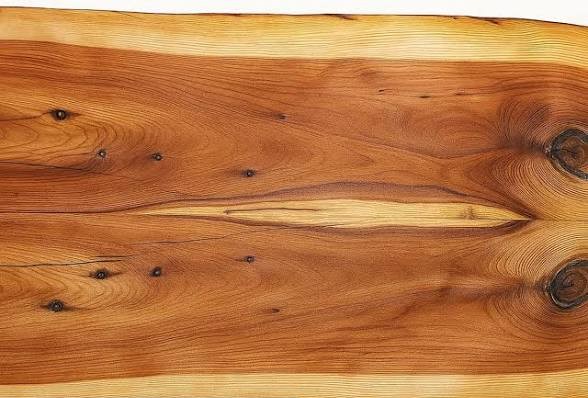
مقدمه
درختان، همانند شخصیتهای یک داستان، هرکدام خلقوخوی خاص خود را دارند. برخی آرام و انعطافپذیرند، برخی سخت و مقاوم، برخی لوکس و کمیاب، برخی ساده و بیادعا.
…
چوب، یکی از نخستین و بنیادیترین مصالحی است که انسان برای ساختن جهان پیرامون خود به کار گرفته؛ مادهای زنده، پویا و دارای شخصیت که هر گونهٔ آن، تاریخچه، رفتار و هویت خاص خود را دارد. در جهان طراحی، معماری، سازسازی و نجاری، انتخاب چوب تنها یک تصمیم فنی نیست؛ بلکه انتخاب یک زبان بیانی است. هر چوب، کیفیتی از نور، وزن، صدا، مقاومت، حس لمس و حتی فرهنگ را با خود حمل میکند.در میان این طیف گسترده، برخی گونهها جایگاه ویژهای دارند؛ نه فقط به دلیل ویژگیهای فیزیکی، بلکه بهخاطر ریشههای زیستی، جغرافیایی و فرهنگی که در خود حمل میکنند. یکی از این گونهها، درخت آزاد است؛ درختی کمیاب، بومی جنگلهای هیرکانی، با چوبی که قرنها در ابزارسازی، سازههای سنتی و هنرهای چوبی ایران نقش داشته. آزاد، نقطهٔ شروع این مقاله است، زیرا برخلاف چوبهای جهانی و شناختهشدهای مثل گردو، ملچ، آبنوس یا بامبو، آزاد حامل یک هویت بومی و تاریخی است؛ چوبی که درک آن، درک بخشی از فرهنگ و طبیعت ایران است.
.



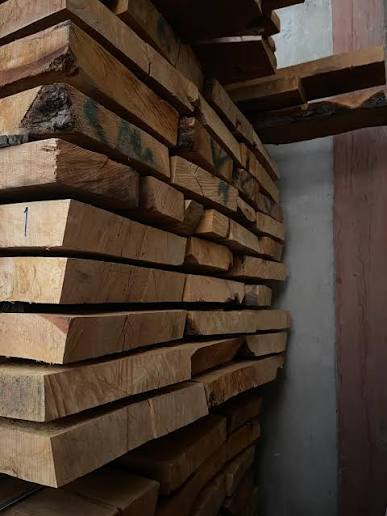
۱. درخت آزاد؛ چوبی با ریشهٔ فرهنگی و رفتار منحصربهفرد
هویت زیستی و ظاهری
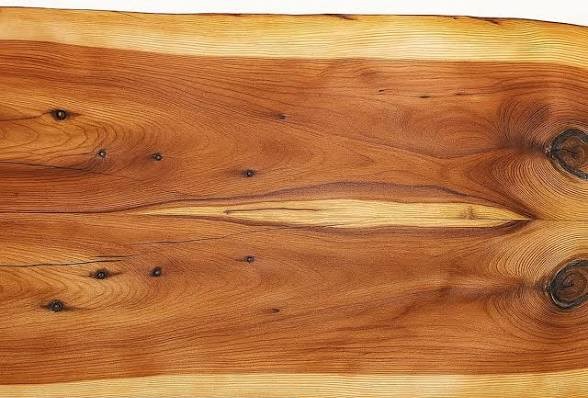
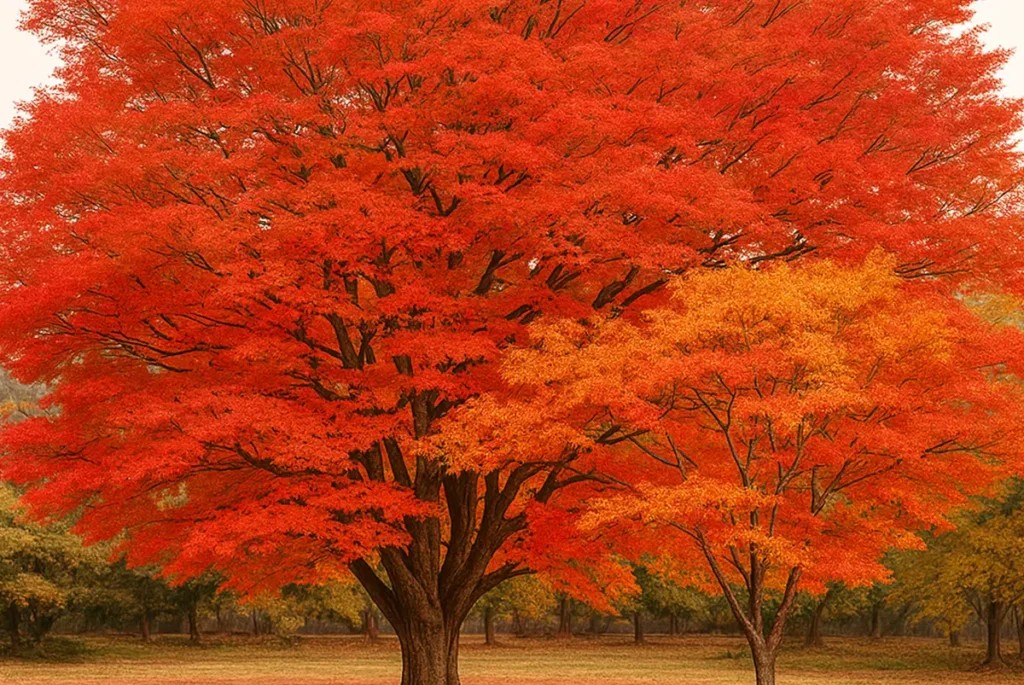
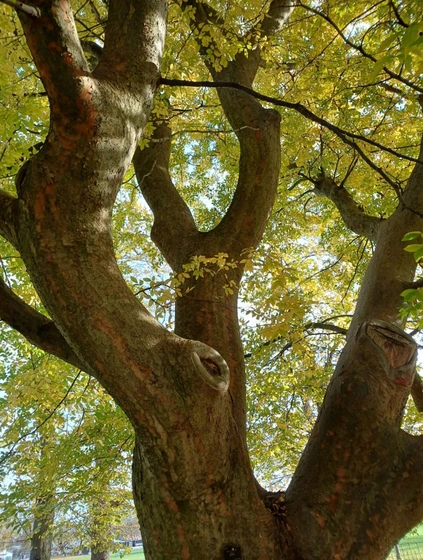
درخت آزاد (Zelkova carpinifolia) از خانوادهٔ نارونهاست؛ درختی بلند، خوشتنه، با پوست نقرهای که در سنین بالا پوستهپوسته میشود و لکههای نارنجی ایجاد میکند. برگهای بیضی و دندانهدار آن در پاییز به طیفی از زرد تا قرمز تبدیل میشوند.
ویژگیهای چوب آزاد
- نیمهسنگین و نیمهسخت
- رنگ روشن تا نارنجی
- انعطافپذیری بسیار بالا
- مقاومت خوب در برابر ضربه
- بافت یکنواخت و خوشتراش
- مناسب نیروهای دینامیک و پیچشی
کاربردها
- ابزارهای سنتی و کشاورزی
- چرخ چوبی، پره آسیاب
- قطعات ضربهپذیر
- منبتکاری متوسط
- سازههای سبک و کاربردی
شخصیت چوب آزاد:
چوبی چابک، انعطافپذیر و زنده؛ مناسب حرکت، ضربه، و سازههایی که باید نیرو را جذب کنند.
۲. چوب گردو؛ وقار، زیبایی و ثبات
ویژگیها
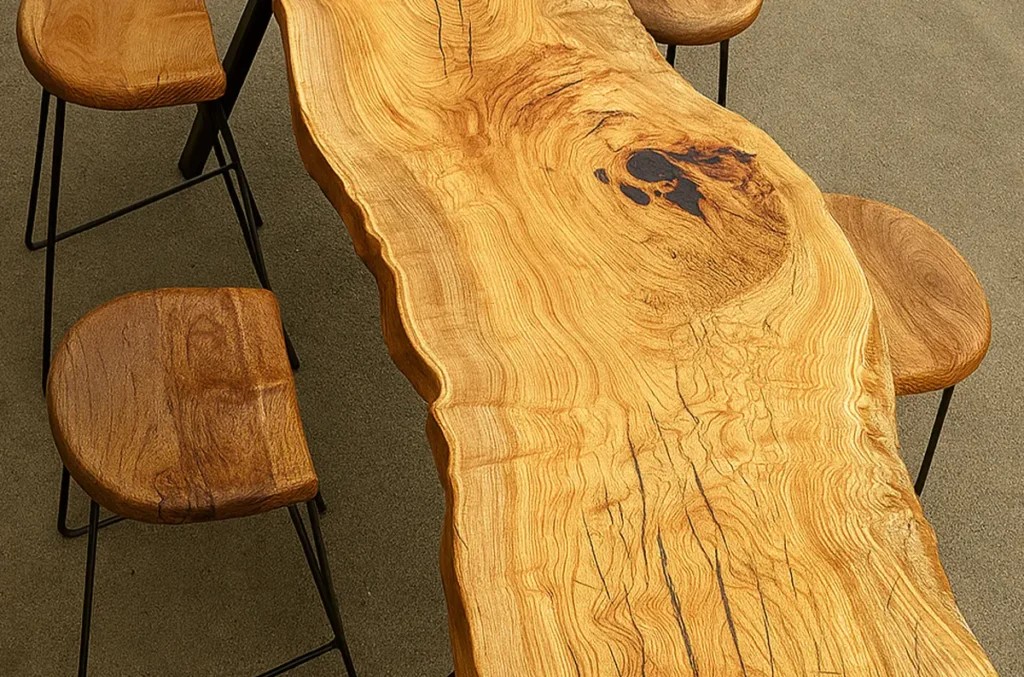
گردو یکی از لوکسترین چوبهای جهان است. رنگ قهوهای تیره با رگههای خاکستری و طلایی، بافت متراکم و پرداخت آینهای، آن را به انتخاب اول سازندگان حرفهای تبدیل کرده.
- سختچوب با چگالی بالا
- ثبات ابعادی عالی
- مقاومت در برابر پوسیدگی
- مناسب فرمدهی و پرداخت دقیق
کاربردها
- مبلمان لوکس
- سازسازی (گیتار، ویولن، پیانو)
- روکشهای تزئینی
- قطعات دقیق و ظریف
شخصیت چوب گردو:
چوبی وقارمند، آرام و باشکوه؛ مناسب کارهای هنری، لوکس و سازهایی که نیاز به صدای گرم دارند.
۳. چوب ملچ؛ تعادل میان زیبایی و مقاومت
ویژگیها
ملچ چوبی نیمهسنگین با رگههای موجدار زیباست. مقاومت بالا در برابر ضربه و پیچش، آن را برای سازههای سنتی و مبلمان مقاوم مناسب میکند.
- نیمهسنگین، نیمهسخت
- رگههای موجدار چشمنواز
- مقاومت بالا در برابر ضربه
- رنگ قهوهای روشن تا عسلی
کاربردها
- میز و درب
- سازههای سنتی
- کارهای تزئینی با رگههای طبیعی
شخصیت چوب ملچ:
چوبی متعادل، مقاوم و خوشرگه؛ مناسب پروژههایی که هم زیبایی و هم استحکام میخواهند.
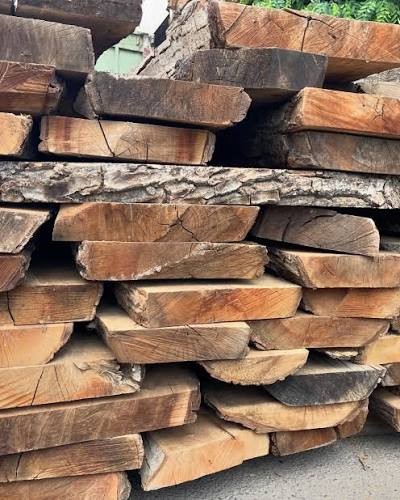
۴. چوبهای مکمل در صنعت نجاری
بامبو؛ سبک، مدرن و پایدار
- بسیار سبک
- مقاوم در برابر رطوبت
- الیاف عمودی و بافت یکنواخت
- مناسب کفپوش و مبلمان مدرن
آبنوس؛ تاریکی متراکم و ارزش تزئینی
- بسیار سنگین و سخت
- رنگ مشکی تا قهوهای بسیار تیره
- پرداخت آینهای
- مناسب سازسازی و اینلِیکاری
۵. جمعبندی حرفهای
درخت آزاد نقطهٔ شروع این طیف است:
انعطافپذیر، ضربهگیر، مناسب سازههای سنتی و ابزارهای کاربردی.
گردو در اوج لوکس بودن قرار دارد:
زیبا، پایدار، مناسب سازسازی و مبلمان حرفهای.
ملچ در میانهٔ این طیف ایستاده:
تعادل میان مقاومت، زیبایی و قیمت.
بامبو گزینهای مدرن و پایدار است،
و آبنوس نهایت تراکم، سختی و ارزش تزئینی را ارائه میدهد.

Here is the entire article condensed into one single English paragraph, with the same artistic–scientific tone you wanted:Wood is not merely a construction material but a compressed narrative of time, a living archive of light, soil, wind, and rain, and when shaped by the hands of a designer or craftsman it becomes the continuation of a tree’s life in form and structure. Among the many species used in woodworking, the Persian Zelkova known as the Azad tree holds a unique cultural and ecological identity: a Hyrcanian native with silver bark, flexible fibers, and a resilient, warm-toned wood long used in traditional tools and dynamic structures. In contrast, walnut embodies elegance and stability with its dark, expressive grain and refined acoustic qualities, making it ideal for luxury furniture and musical instruments; elm (melch) offers a balanced character with its wave-like figure and strong resistance to shock, suitable for doors, tables, and traditional frameworks; bamboo represents modern sustainability through its lightness, rapid growth, and moisture resistance; and ebony stands at the extreme end of density and darkness, prized for fine detail, inlay, and high-end craftsmanship. Together, these woods form a spectrum of behaviors and aesthetics, and understanding them scientifically and artistically allows the maker to choose not just a material, but a voice each wood speaking its own history, temperament, and design potential.If you want, I can also create a shorter, more poetic, or more technical version.

چکیده
هویت بصری جام جهانی 2026 یکی از متفاوتترین طراحیهای تاریخ فیفا است. این دوره برای نخستین بار در سه کشور آمریکا، کانادا و مکزیک برگزار میشود و لوگوی رسمی آن بر پایهٔ تصویر واقعی جام جهانی و عدد 26 شکل گرفته است. ساختار طراحی، ساده، دیجیتالمحور و قابل شخصیسازی است.
ساختار لوگوی رسمی
لوگوی 2026 از دو عنصر تشکیل شده است:عکس واقعی جام جهانیعدد 26 با تایپوگرافی هندسیاین ترکیب، هویت بصری را از حالت نمادین به حالت مستند و واقعی منتقل میکند و امکان استفادهٔ گسترده در رسانههای دیجیتال را فراهم میسازد.نسخهٔ کوتاه و کاملاً تمیز مقالهٔ گرافیک جام جهانی 2026
کمپین WE ARE 26
کمپین رسمی این دوره با عنوان WE ARE 26 معرفی شده است. هدف آن ایجاد یک هویت مشارکتی است؛ بهگونهای که مردم، شهرها و فرهنگها بتوانند نسخهٔ خود از «26» را بسازند. این رویکرد، هویت بصری را به یک پلتفرم باز تبدیل میکند.۳. پوسترهای شهریبرای نخستین بار، هر یک از 16 شهر میزبان پوستر اختصاصی دارد. این پوسترها توسط هنرمندان محلی طراحی شدهاند و بازتابی از معماری، رنگهای بومی و انرژی شهری هستند. این ساختار، هویت جهانی را با هویت محلی ترکیب میکند.
تحلیل کوتاه
نقاط قوت سادگی و خوانایی بالا قابلیت شخصیسازی برای شهرها هماهنگی با رسانههای دیجیتالنقاط ضعفکاهش جنبهٔ نمادین بهدلیل استفاده از عکس واقعی جامشباهت زیاد میان برخی نسخههای شهری۵.
جمعبندی
هویت بصری جام جهانی 2026 نمونهای از برندینگ مدرن، دیجیتالمحور و مقیاسپذیر است. این هویت، برخلاف دورههای گذشته که بر فرهنگ میزبان تمرکز داشتند، بر مشارکت، سادگی و توسعهپذیری سادگی و توسعهپذیری تأکید میکند و ساختاری ارائه میدهد که با نیازهای رسانهای امروز هماهنگ است.